What Does It Mean to Be Bigender? Identity, Pride Flag & Meaning Explained

A person with pink curly hair sits in a colorful room, representing a bigender identity

Being bigender means identifying with two genders, either at the same time or shifting between them. Those genders can be male and female, but they can also include nonbinary identities such as agender, demigirl, demiboy, genderfluid, or another combination. The concrete reality is that bigender people experience gender as something dual, not fixed in one … Read more

How to Make an LGBTQ+ Friendly Bar Feel Safe, Comfortable, and Welcoming for Everyone

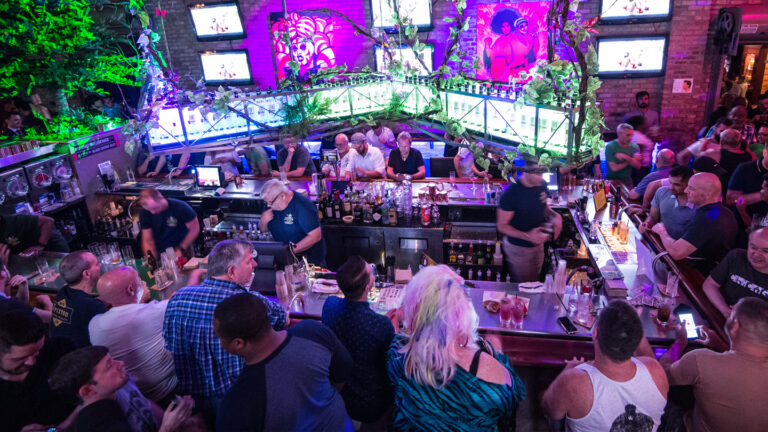
LGBTQ+ Friendly Bar

Inclusive hospitality spaces create comfort, trust, and ease for LGBTQ+ patrons and staff. A bar can function as a social gathering point and also as a safe haven where people feel valued, respected, and free to express themselves without judgment. Foundational Values Clear mission statements that openly support LGBTQ+ inclusion help set expectations for everyone … Read more

What Does Abrosexual Mean?

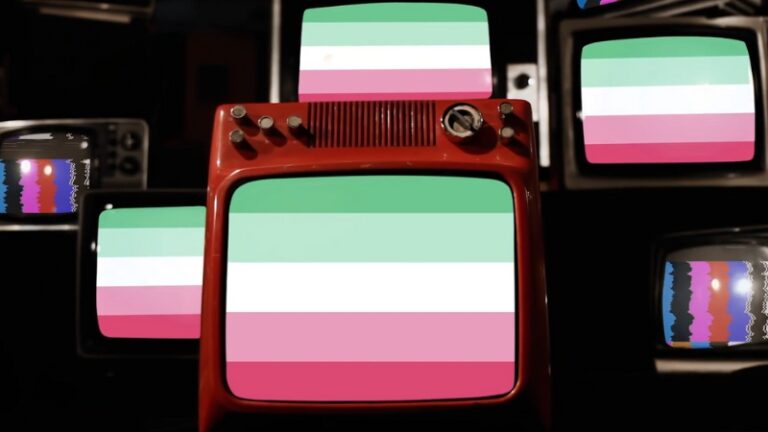
A set of retro TVs displays the abrosexual flag on their screens

Abrosexual describes a person whose sexual attraction changes over time, sometimes subtly and sometimes in noticeable shifts. The concrete answer is that an abrosexual individual does not experience attraction in one fixed way. Instead, their orientation can flow across different levels, genders, or intensities, often in patterns that feel natural to them. For some, these … Read more

FLINTA – Empowering or Excluding? Rethinking the Acronym’s Role in Queer Spaces

A person with short curly hair faces a rainbow reflection on glass, symbolizing the FLINTA community and queer inclusion

In queer and feminist circles across Europe, few terms have sparked as much discussion in recent years as FLINTA, short for Frauen, Lesben, Inter, Nicht-binär, Trans und Agender. Originally introduced in German-speaking activism, the acronym was meant to broaden the definition of “women’s” spaces, making room for anyone marginalized by patriarchal and gendered power structures. … Read more

Transmasculine vs. Nonbinary – What’s the Difference?

The image shows two people holding a flag, representing transmasculine vs. nonbinary

Not all people who aren’t women are the same. The words transmasculine and nonbinary describe different gender experiences, and while there’s sometimes overlap, they’re not interchangeable. If you’re confused, curious, or trying to use language that reflects the people around you, you’re not alone. The thing is, gender vocabulary has grown and shifted, partly because … Read more

What Does It Mean to Be Demiboy or Demigirl? A Beginner’s Guide

Close-up of a person with shimmering eye makeup and glossy lips, illuminated by dramatic lighting

Gender identity conversations have gained more public attention in recent years. A broader acceptance of non-binary expressions has encouraged individuals to speak openly about their gender experiences. The goal here is to foster respectful awareness and provide helpful knowledge about demiboy and demigirl identities. What Does It Mean to Be a Demiboy? @zoestoller Did you … Read more

How to Legally Change Your Name and Gender Marker in Arizona

Close-up of a couple with closed eyes in colorful lighting, symbolizing unity and expression

Aligning legal documents with personal identity provides peace of mind and legal accuracy. In Arizona, the process involves obtaining a court order for a name change, securing a physician’s letter to update a gender marker, and revising both federal and state records accordingly. Many individuals feel empowered and validated when their documents reflect their true … Read more

How to Find a Gender-Affirming Therapist and Why It Matters

A gender-affirming therapist understands the unique experiences that come with gender identity and provides a safe space to explore emotions, challenges, and personal growth without judgment. For many trans and nonbinary people, therapy isn’t just about mental health—it’s about survival. Studies have shown that gender-affirming care reduces anxiety, depression, and suicide rates among transgender individuals. … Read more

Are These Stereotypes About LGBT People Really True? Let’s Set the Record Straight

Do 56% of adults still believe inaccurate ideas about LGBT people? Shocking as it may seem, many stereotypes persist, shaping the way society views individuals in the community. These myths create barriers, fuel discrimination, and overshadow the vibrant diversity of the people they target. It’s time to take a hard look at these beliefs and … Read more