
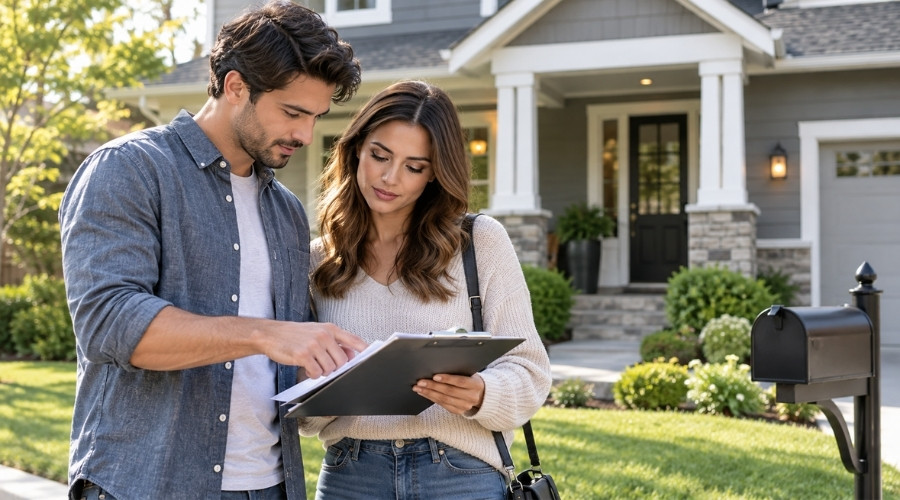

You found the place. The kitchen works, the yard has room for the dog, and you can already picture both names on the mailbox. Before either of you picks up a pen, though, there is a second inspection worth doing, and it has nothing to do with the roof.
When two people who are not married buy a house together, the law fills in far fewer blanks for them. Buying a home this way is common and completely doable. It just asks you to look harder at the deed, the lot and the fine print, because nobody will do it on your behalf.
Why Unmarried Buyers Need a Different Checklist
Unmarried couples are a real part of the market. According to Virginia REALTORS, the 2025 national buyer profile showed unmarried couples made up 6% of all buyers, while married couples accounted for 61%. Yet most of the default protections in property law were written with spouses in mind.
What Marriage Handles Automatically
Spouses usually get inheritance rights, a divorce court to sort out the house, and in some places forms of joint ownership that only married people can use. Unmarried partners get none of that by default.
If the relationship ends or one partner dies, what happens to the house depends almost entirely on what you put on paper while you are buying a home. Same-sex couples who haven’t married face the same gaps, often alongside the extra work of finding a welcoming area, which this guide to queer-friendly housing in Tucson covers in detail.
Check How Your Names Will Appear on the Title

The deed decides who owns what. Ask for the draft deed well before closing day, read the vesting language, and have the title officer or closing attorney explain it in plain words.
Joint Tenancy or Tenancy in Common
The Cornell Legal Information Institute explains that joint tenancy carries a right of survivorship, so when one owner dies, the other automatically takes the whole property. It also notes that when a deed doesn’t specify joint tenancy, the law presumes a tenancy in common.
In that setup, each partner owns a share that passes through their own estate, and the shares can be unequal. That matters a lot if one of you is putting down far more money than the other.
| Ownership Option | If One Partner Dies | Often a Fit When |
|---|---|---|
| Joint tenancy with right of survivorship | The surviving partner automatically owns the entire home | You contributed roughly equally and want the house to stay with each other |
| Tenancy in common | The deceased partner’s share passes through their estate | Contributions differ, or either of you has children or other heirs to protect |
| One partner on title only | The home belongs to the titled partner’s estate | One person is buying alone and the other contributes informally |
Check What the Title Search Turns Up
A title search combs public records for anything attached to the property. The CFPB explains that owner’s title insurance protects you if someone later claims a right to the home from before your purchase, such as a previous owner’s unpaid taxes or contractors who were never paid.
Lenders usually require a policy that protects their loan, but the owner’s policy that protects your own stake is generally optional. For two people buying a home together, that one optional policy covers both shares at once.
Read the title commitment line by line. Look for recorded easements, open liens and any exceptions the policy refuses to cover, and ask about anything you don’t understand before you sign.
Check the Lot Lines, Easements and Setbacks
Many couples assume the fence marks the property line. It often doesn’t. A boundary survey shows exactly where the lot ends, while a site plan shows where the house, driveway and outbuildings sit in relation to those lines, setbacks and easements.
Why This Matters More for Couples
View this post on Instagram
One partner may want a workshop, the other a pool or a casita for an aging parent, and setbacks or utility easements can quietly rule those projects out. Local permit offices often ask for a site plan before approving a fence, deck or addition, and drafting services such as Get A Site Plan produce non-certified, to-scale plans from public records and satellite imagery.
Looking at one before closing lets both of you see what the lot can realistically hold. If you spot a possible boundary dispute, such as a neighbor’s shed or driveway crossing the line, bring in a licensed surveyor, since encroachments are far easier to deal with before you own them.
Check Flood Risk, the Inspection and Future Costs
Look up the address in the FEMA Flood Map Service Center. A high-risk flood zone can mean extra insurance costs that you’ll both be paying for as long as you own the place.
Attend the Inspection Together
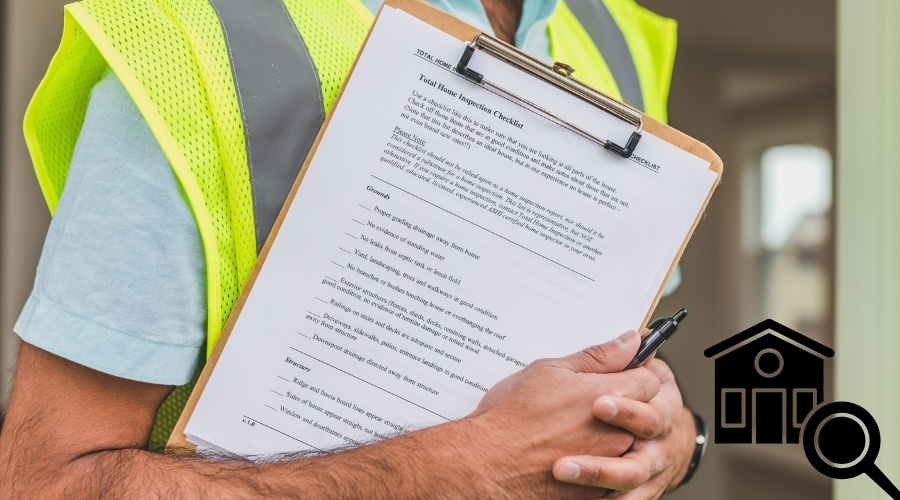
Both partners should walk through the inspection and read the full report, so nobody is later blindsided by a failing water heater or a cracked slab. Agree in writing on how you’ll split repair costs, especially if your ownership shares are unequal. Those small agreements are the part of buying a home that couples most often skip, and the part they most often regret skipping.
How State Law Changes the Picture

Property law is mostly state law, so buying a home with the exact same deed can end very differently depending on where you live. Two states sit at opposite ends of the spectrum.
Washington: Courts Can Divide the House Without a Contract
Washington Law Help explains that Washington has no common law marriage but does recognize long, stable, marriage-like relationships, known as committed intimate relationships.
When one of these ends, there is a specific court process for dividing property and debts the couple built together, similar in spirit to a divorce.
Minnesota: Only a Signed Agreement Counts
Minnesota takes the opposite approach. Under the statute published by the Minnesota Revisor of Statutes, a property or financial agreement between unmarried partners living together is enforceable only if it is written and signed by both, and only once the relationship has ended.
A spoken promise to split the equity carries no weight there.
What This Means Everywhere Else
Most states fall somewhere between those two extremes, and the rules change over time. Whatever state you are buying a home in, a written co-ownership agreement drafted by a local real estate attorney is the safest way to record who paid what and what happens if you split up.
Check That the Mortgage Matches the Deed
Being on the title and being on the loan are two different things. A partner can own half the house without owing the mortgage, or owe on a house they don’t legally own. On a joint application, lenders review both credit histories and incomes, so a weaker profile from either partner can affect your terms.
Frequently Asked Questions
Final Thoughts
Buying a home with a partner you haven’t married is a vote of confidence in each other. Check the title wording, the title search, the lot lines, the flood map and the inspection report together, then put your agreements on paper, because your state may not fill the gaps the way you expect. A few extra conversations now will keep buying a home from turning into a dispute later.